
Acupuncture in Breast Cancer Support — a hybrid CPD course from the National Centre for Integrative Oncology, starting September 2026
A CPD programme for UK-registered TCM acupuncturists
Three months, taught by integrative oncology physicians and one of the most experienced oncology acupuncturists working today, with three days of supervised clinical training near Reading.
- Taught phase
- Sept to Nov 2026Online modules, live Q&As, 3 days in person
- Assignment phase
- Nov 2026 to Jan 2027 Assignment submission Dec 2026. Certificates end of January 2027.
- In person
- 15 to 17 SeptSynthesis Clinic, Reading
- Fee
- £1,200Pay monthly or in full
Places are limited. Applying for one of the five NHS and charity sector bursaries? Email hello@ncio.org.uk before you pay.
Why this programme
The gap this course was built to close
People affected by breast cancer are living longer, and living longer with the consequences of treatment.
Aromatase inhibitor joint pain, chemotherapy-induced peripheral neuropathy, hot flushes, fatigue, post-surgical pain and sleep disturbance are among the symptoms that follow patients well beyond the end of active treatment. Acupuncture has a meaningful evidence base in several of these areas and is recognised within international integrative oncology guidance.
What the UK lacks is not demand. It is a trained, confident workforce: TCM acupuncturists who understand breast cancer and its treatment in Western medical terms, who know where the safety boundaries sit, who can recognise a red flag, and who can communicate credibly with an oncology team.
What makes it different
An international, genuinely multidisciplinary faculty
Oncology acupuncture training usually comes from one of two directions: acupuncturists teaching acupuncturists, or oncology teaching delivered at arm's length by people who do not treat these patients. This programme puts both in the same room, on the same cohort.
Taught by practising integrative oncology physicians
This is the rarest thing about the programme. The Western medical foundation is delivered by Dr Nina Fuller-Shavel and Dr Lauren Watts, doctors who assess, treat and support people with breast cancer week in, week out. Dr Fuller-Shavel co-authored Integrative Oncology in Breast Cancer Care and contributed to the joint SIO/ASCO clinical guideline; Dr Watts is completing consultant training in medical oncology and manages treatment toxicity and oncological emergencies as part of her day job. Almost no CPD programme for acupuncturists is taught by clinicians at this level.
Hospital-scale oncology acupuncture expertise
Lead faculty Dr Angela Lorbeck built the first hospital-based oncology acupuncture programme in the history of Rush University Medical Center in Chicago, now housed within Rush MD Anderson Cancer Center and spanning more than 20,000 treatments. She also created that institution's first oncology acupuncture clinical training programme, now in its fifteenth cohort.
A UK clinical lead who supervises for a living
Mr Damian Allegretti brings the UK practice reality: professional bodies, indemnity, referral routes, and how this work actually fits into a British clinic. He is an Acupuncture Clinical Supervisor at the Northern College of Acupuncture, so supervising practitioners is something he does routinely with a wealth of experience behind him.
Three days of hands-on clinical training
Small-group supervised practice at Synthesis Clinic, an award-winning CQC-registered integrative oncology practice near Reading, co-led by Dr Lorbeck and Mr Allegretti. Not a demonstration or a lecture day.
Assessed and marked, with a certificate you would be proud to show
A case-based written assignment with written feedback marked to a postgraduate-level CPD standard.
Built by a cancer charity
NCIO is the first UK integrative oncology charity co-led by oncology clinicians and people with lived experience of cancer. Educating healthcare professionals is one of our three charitable objects, and surplus supports our wider charitable work.
How it runs
Two phases, three months taught, five months total
The programme separates cleanly into a taught phase, where all teaching and clinical training happens, and an assignment phase, where you write up and submit. Nothing new is taught once the assignment phase opens, so you can give the write-up your full attention.
Phase one
Taught phase
September to November 2026
- Three pre-recorded postgraduate modules, released across the phase
- Three live online Q&A sessions with the faculty
- Three-day in-person clinical training block, 15 to 17 September 2026, at Synthesis Clinic near Reading
- Assignment brief issued and talked through
Phase two
Assignment phase
November 2026 to January 2027
- Case-based written assignment, written over November
- Submission in December 2026
- No new taught content, so writing time is protected
- Marks, written feedback and certificates issued at the end of January 2027
The taught content
Three postgraduate modules
Each module is pre-recorded so you can work through it at your own pace, and each is followed by a live online Q&A session where you can bring questions, cases and clinical uncertainty directly to the faculty.
Module AL-1
Building Your Oncology Acupuncture Practice (UK-adapted)
Recorded by Dr Angela Lorbeck, with UK adaptation input from Dr Nina Fuller-Shavel and UK contributors Mr Damian Allegretti and Dr Lauren Watts
- Stepping into the gap: the demand for oncology acupuncture in the UK
- Preparing to care for people affected by breast cancer: the emotional and physical impact, recognising distress, understanding your role, and knowing when to refer
- Preparing your clinical environment: reasonable adjustments under the Equality Act 2010, positioning and treatment table considerations, patient comfort, infection prevention, and creating an emotionally safe space
- Adapting your clinical systems: oncology informed consent, oncology intake and medical history, and clinical documentation
- Clinical decision-making and safety: cautions and contraindications, amber and red flags, treatment modifications, and when to postpone
- Strengthening communication and care coordination with the oncology team, including how to write without TCM jargon
- Measuring clinical outcomes and demonstrating impact
- Building relationships with the conventional oncology community, and sustaining yourself in oncology practice
- UK-specific case examples and signposting
Module AL-2 · NCIO medical module
Understanding Breast Cancer: a Western medical foundation for oncology acupuncture practitioners
Produced and delivered by the NCIO medical faculty, Dr Nina Fuller-Shavel and Dr Lauren Watts, in collaboration with Dr Angela Lorbeck
- Breast cancer subtypes and molecular biology (ER, PR, HER2, triple negative)
- Surgical options and their sequelae, including reconstruction
- Chemotherapy regimens commonly used in breast cancer
- Radiotherapy approaches, and skin and tissue effects
- Hormone therapy: aromatase inhibitors, tamoxifen, ovarian suppression and GnRH agonists, and the long-term effects that follow patients beyond active treatment
- Targeted therapies including HER2-directed therapy, CDK4/6 inhibitors and antibody drug conjugates
- Common drug names and how to recognise them in a patient's discharge summary
- Red flags warranting referral back to the oncology team
- Communicating with oncology colleagues about a breast cancer patient
This module is written and delivered by practising integrative oncology doctors rather than adapted from a general oncology text. It is the part of the programme practitioners most often tell us they have never been properly taught.
Module AL-3
Acupuncture and Cancer Pain: from assessment to treatment
Recorded by Dr Angela Lorbeck, with targeted UK contribution from the NCIO faculty
- Cancer pain across the cancer continuum: incidence, mechanisms, presentations
- Tumour-related pain, treatment-related pain and post-surgical pain
- Aromatase inhibitor-associated joint pain, a major reason for hormone therapy non-adherence
- Chemotherapy-induced peripheral neuropathy in clinical context
- Bone pain and bone metastases: safety, scope and integrated care
- Oncology-specific pain assessment that goes beyond standard intake practice
- When to refer back to oncology, palliative care or pain services
- Clinical strategies and protocols drawn from nearly two decades of practice
Part of the taught phase
Three days of supervised clinical training
15 to 17 September 2026 · Synthesis Clinic, Unit 6 Castle End Business Park, Ruscombe, Reading RG10 9XQ
Three days of applied, supervised clinical learning, co-led by Dr Angela Lorbeck and Mr Damian Allegretti, hosted at an award-winning CQC-registered integrative oncology clinic, with input from the NCIO medical faculty across the block.
Day one — orientation, cohesion and foundational clinical application
Welcome and structured introductions, shared agreements for a supportive learning environment, and an introduction to standardised consent and intake tools. Full faculty demonstrations of the clinical encounter follow, from intake through to treatment, with clinical reasoning verbalised throughout: positioning, cautions, contraindications and treatment approach. Participants then rotate through the primary clinician role in structured scenario-based role play, with reflection, peer feedback and faculty feedback after each round.
Days two and three — deepening clinical practice and integration
Small-group supervised clinical practice using a rotating lead clinician model, with a structured learning pause after every encounter and increasing participant autonomy across the block. Short teaching sessions each day return to the areas practitioners find hardest: cautions and contraindications, clinical reasoning in complex presentations, the emotional dimensions of oncology work, responding with compassion while holding scope, and when and how to refer.
Meet the patient-centred care team
Sessions with members of the wider multidisciplinary cancer care team, so participants understand each discipline's role, the concerns each one addresses, when onward referral is appropriate, and where acupuncture complements their care.
The block opens with a pre-training self-assessment and closes with a post-training self-assessment, structured group reflection, written evaluation and presentation of certificates.
Your faculty
Taught by a team of four experienced clinicians with wider MDT input
A hospital oncology acupuncture lead from Chicago, a UK acupuncturist who supervises practitioners for a living, and two UK integrative oncology physicians who treat people with breast cancer. Guest contributors from the wider multidisciplinary team join across both the online and in-person components.
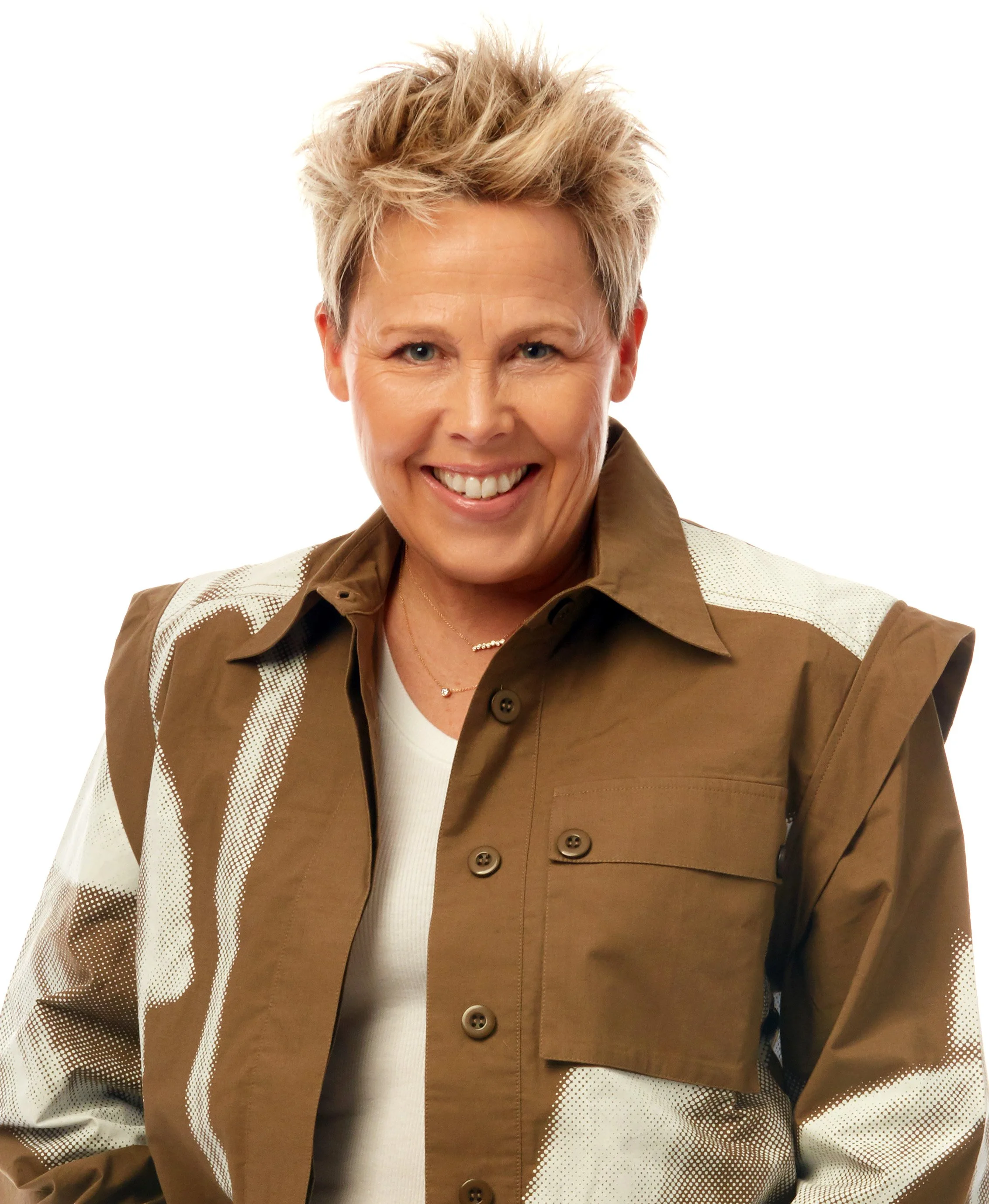
Dr Angela Lorbeck
Lead faculty
DACM, MSTOM, MPH, LAc, FMCHC · Chicago, USA
Dr Lorbeck is a clinician, educator and researcher with nearly two decades devoted to advancing acupuncture integration within cancer care and training the next generation of oncology acupuncture practitioners.
She was the first practitioner in the history of Rush University Medical Center to design and implement a hospital-based oncology acupuncture programme, which she developed into a specialty practice now housed within Rush MD Anderson Cancer Center, spanning more than 20,000 treatments for people living with cancer. She subsequently created the institution's first oncology acupuncture clinical training programme in collaboration with Pacific College of Health and Science, now in its 15th cohort.
A published researcher and TEDx speaker, she has authored and co-authored peer-reviewed journal articles, contributed to clinical textbook chapters and collaborated on research studies within integrative medicine. She holds a Doctorate in Acupuncture and Chinese Medicine, a Master of Science in Traditional Oriental Medicine and a Master of Public Health, is a Licensed Acupuncturist and Functional Medicine Certified Health Coach, and serves as Assistant Professor in the Department of Psychiatry and Behavioral Sciences at Rush Medical College, Rush University.
She is driven by the conviction that people living with cancer deserve access to evidence-based acupuncture care, and that closing the workforce gap begins with preparing practitioners to safely and skilfully serve this population, wherever they practise.
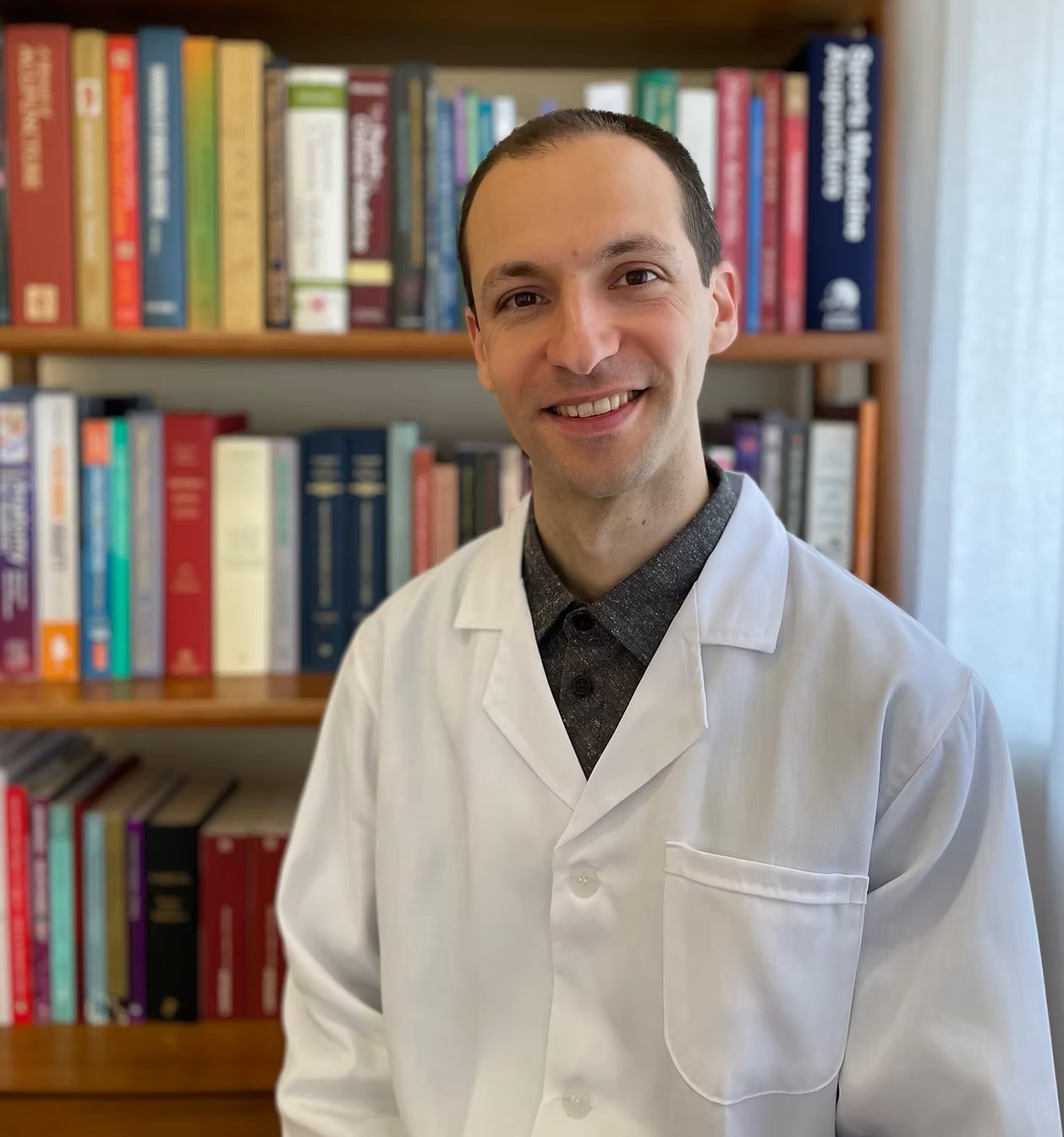
Mr Damian Allegretti
UK faculty and UK clinical lead
Licensed acupuncturist, Chinese medicine herbalist and movement therapist · Synthesis Clinic
Damian Allegretti is an integrative medicine practitioner with over 10 years of clinical experience in Traditional Chinese Medicine and herbal medicine. His work combines classical East Asian medical principles with contemporary scientific research to support patients with complex and chronic health concerns.
At Synthesis Clinic he works within the multidisciplinary team, providing acupuncture and Chinese herbal medicine alongside standard medical care, with an approach that is collaborative and carefully aligned with each patient's wider treatment plan. He trained at the European School of Acupuncture and Traditional Chinese Medicine in Barcelona, in collaboration with universities in Shanghai and Nanjing, and has undertaken further postgraduate study in Applied Channel Theory and advanced manual therapies.
Alongside his clinical work, Damian serves as an Acupuncture Clinical Supervisor at the Northern College of Acupuncture and sits on the editorial committee of The Clinician, the journal of the Association of Acupuncture Clinicians (UK). He volunteered for several years with The Disability Foundation at the Royal National Orthopaedic Hospital, supporting patients with complex chronic conditions.
He brings the UK practice reality to the programme: professional bodies, indemnity, referral routes, and how this work actually fits into a British clinic.
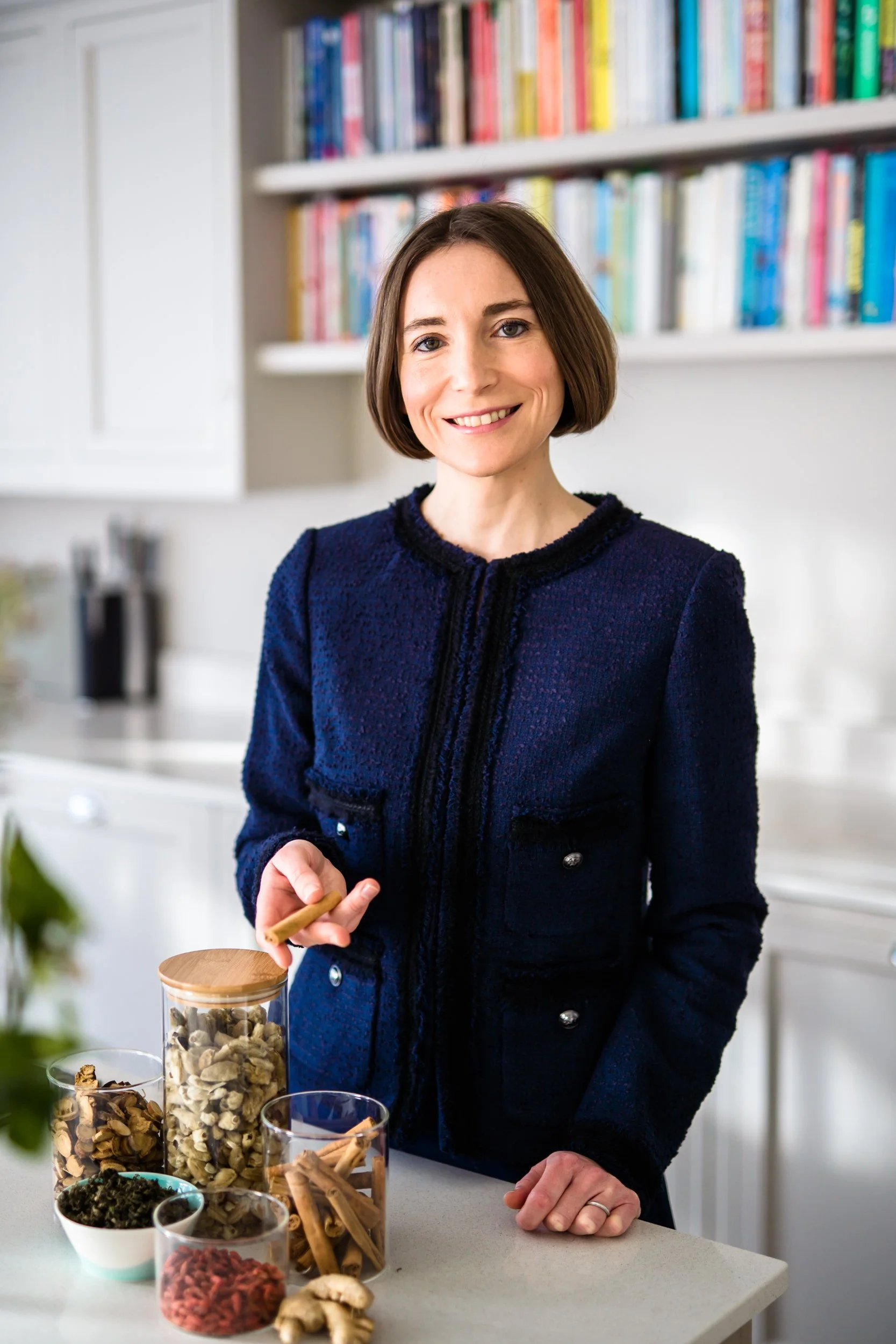
Dr Nina Fuller-Shavel
Programme director · NCIO medical faculty, module AL-2
MB BChir, MA (Cantab), MSc, PG Dip, FCoM, FBANT, FRSA · CEO, National Centre for Integrative Oncology
Dr Fuller-Shavel is an award-winning Oxbridge-trained integrative medicine physician, scientist and educator with over a decade's experience in integrative healthcare, and one of a very small number of UK doctors practising integrative oncology at specialist level. She is CEO of NCIO and founder and Medical Director of Synthesis Clinic, the first CQC-registered UK integrative and lifestyle medicine practice with full scope.
She holds an MSc in Precision Cancer Medicine (Distinction) and a PG Dip in Health Research (Distinction) from the University of Oxford, alongside her Cambridge medical degree, and is a Fellow of the College of Medicine, the British Association for Nutrition and Lifestyle Medicine and the Royal Society of Arts.
She co-authored Integrative Oncology in Breast Cancer Care (Springer Nature, 2024) with Dr Penny Kechagioglou, and was an expert panel member for the joint Society for Integrative Oncology and ASCO clinical guideline on integrative care for anxiety and depression in people with cancer. She chairs the SIO Global Committee, sits on the SIO Board of Trustees, and was Co-Chair of the British Society for Integrative Oncology from 2021 to 2023. She is beginning a part-time DPhil in Evidence-Based Health Care at the University of Oxford, based at the Centre for Evidence-Based Medicine.
For this programme, that means the breast cancer medicine you are taught comes from a physician who both treats these patients and helps write the international guidance on how they should be supported.
Dr Lauren Watts
NCIO medical faculty, module AL-2
BSc, MBBS, MRCP, PGCert, DHMSA · Integrative oncology physician, Synthesis Clinic
Dr Watts is an experienced physician with advanced training in the management of complex cancer care, systemic anti-cancer therapies and acute oncology. She has trained across leading NHS centres in London and the South East, including St Thomas' Hospital and Maidstone District General Hospital, and is due to complete her consultant training in Medical Oncology, having passed the Specialty Certificate Examination in Medical Oncology.
Throughout her training she has developed particular expertise in managing treatment-related toxicities, oncological emergencies and the long-term consequences of cancer and its treatment. She has extensive experience across breast, colorectal, lung and upper gastrointestinal cancers, and is skilled in integrating imaging, pathology, biomarker and genomic information to support personalised treatment planning.
At Synthesis Clinic she works as part of the multidisciplinary integrative oncology team. Having completed her Systems Approach to Cancer training with Dr Nina Fuller-Shavel, she brings a holistic, evidence-based perspective with a strong focus on symptom management, treatment tolerance and quality of life. She is an active member of the Society for Integrative Oncology.
Very few acupuncturists get the chance to learn red flags, toxicity and referral thresholds from a doctor who manages oncological emergencies as part of her clinical week. On this programme, you do.
Fees and dates
Joining Cohort 1
Total programme fee: £1,200, payable as £240 per month for five months.
Five bursaries are available for TCM acupuncturists working in the NHS and the charity sector.
Enrolment is open. Places are limited to preserve a high faculty-to-learner ratio during the in-person clinical block. Travel and accommodation for the clinical block are arranged and funded by participants.
Applying for a bursary? Email hello@ncio.org.uk before you pay, so we can confirm eligibility and send you the right link.
| Date | Phase | Milestone |
|---|---|---|
| 1 September 2026 | Before start | Enrolment opened |
| September 2026 | Taught phase | Cohort 1 begins, online modules open |
| 15 to 17 September 2026 | Taught phase | In-person clinical training block, Synthesis Clinic, Reading |
| 19 to 20 September 2026 | Optional | NCIO Annual Conference, Oxford (booked separately) |
| September to November 2026 | Taught phase | Three live online Q&A sessions |
| November 2026 | Assignment phase | Assignment written |
| December 2026 | Assignment phase | Assignment submission |
| End of January 2027 | Completion | Marks, written feedback and certificates issued |
Questions
Before you enrol
Do I need previous oncology experience?
No. The programme is built for practitioners stepping into this work for the first time, as well as those already seeing people affected by cancer who want a firmer clinical and professional foundation.
How much time should I set aside?
The taught phase runs from September to November 2026 and combines self-paced pre-recorded modules, three live Q&A sessions and three full days in person. The assignment phase runs from November into December, with writing time protected because no new content is taught during it. [Confirm total guided learning hours before publication.]
Is the in-person block compulsory?
The three-day clinical training block at Synthesis Clinic on 15 to 17 September 2026 is a core component of the taught phase. [Confirm the policy on non-attendance and whether any alternative is offered.]
Will the live Q&A sessions be recorded?
Yes, the live Q&A sessions will be recorded and made available on the portal. Portal access lasts for 1 year, so that you can revisit the material.
Is this course only about breast cancer?
Cohort 1 focuses on breast cancer, which lets the clinical teaching go deep rather than broad. Much of the safety framework, communication practice and practice-building content transfers directly to work across the cancer continuum.
How do I pay?
Two options, both at secure checkout: five monthly payments of £240, or a single payment of £1,200. Your place is confirmed once payment goes through. If you are applying for one of the five NHS and charity sector bursaries, email hello@ncio.org.uk before you pay.
What happens if I do not pass the assignment?
You will be asked if you would like to resubmit the assignment (this carries an additional marking fee of £200).
Will there be another cohort?
NCIO plans to run another cohort in 2027. If Cohort 1 is full or the timing does not work, email hello@ncio.org.uk and we will let you know when dates are announced.
Cohort 1 · starts September 2026
Secure your place
Choose the payment option that suits you. Both take you straight to secure checkout, and your place is confirmed as soon as payment goes through.
Questions, or applying for one of the five NHS and charity sector bursaries? Email hello@ncio.org.uk
National Centre for Integrative Oncology · Registered Charity 1210476